Memorial Day –Honoring American Heroes of Courage, Sacrifice, & Faith – American Minute with Bill Federer
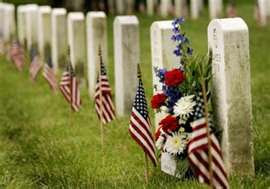
Memorial Day in America, as an annual observance, can be traced back to the end of the Civil War, a war in which over a half-million died.
Southern women scattered spring flowers on graves of both northern Union and southern Confederate soldiers.

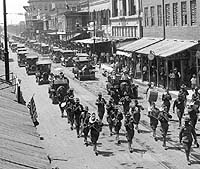
Many places claimed to have held the original Memorial Day, such as:
- Warrenton, Virginia;
- Columbus, Georgia;
- Savannah, Georgia;
- Gettysburg, Pennsylvania;
- Boalsburg, Pennsylvania;
- Waterloo, New York.
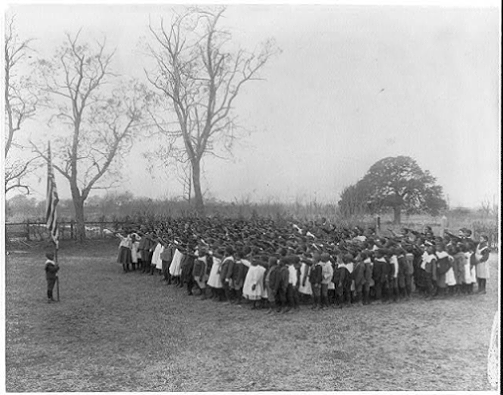
One such place was Charleston, South Carolina, where a mass grave was uncovered of 267 Union soldiers who had died in a prison camp.
On May 1, 1865, former slaves organized a parade, led by 2,800 singing black children, in which they prayed, read Bible verses, sang spirituals, and reburied the soldiers with honor as an act of gratefulness for their ultimate sacrifice which gave them freedom.
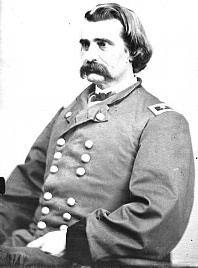
In 1868, General John A. Logan, commander of the Civil War veterans’ organization “The Grand Army of the Republic,” called for a Decoration Day to be observed annually on May 30.
An estimated 180,000 Black soldiers served in the Union Army during the Civil War.
Republican abolitionist Frederick Douglass gave a Decoration Day address at Arlington National Cemetery in 1871:
“We must never forget that the loyal soldiers who rest beneath this sod flung themselves between the nation and the nation’s destroyers.”
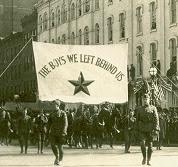
President James Garfield’s only executive order was in 1881 where he gave government workers May 30th off so they could decorate the graves of those who died in the Civil War.
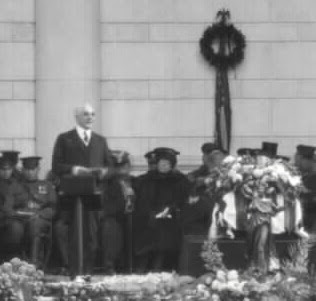
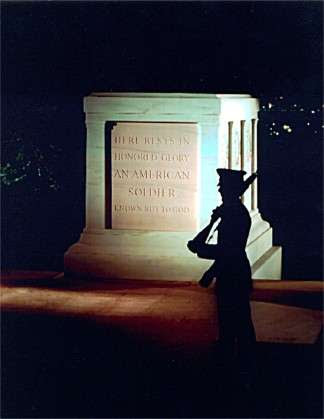
In 1921, President Warren Harding had the remains of an unknown soldier killed in France during World War I buried in the Tomb of the Unknown Soldier at Arlington Cemetery.
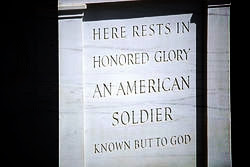
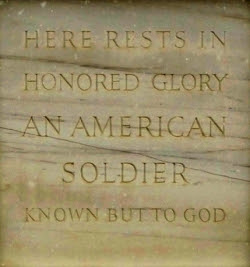
Inscribed on the Tomb is the phrase:
“HERE RESTS IN HONORED GLORY AN AMERICAN SOLDIER KNOWN BUT TO GOD.”
Since 1921, it has been the tradition for Presidents to lay a wreath on the Tomb of the Unknown Soldier, which is guarded 24 hours a day, 365 days a year.
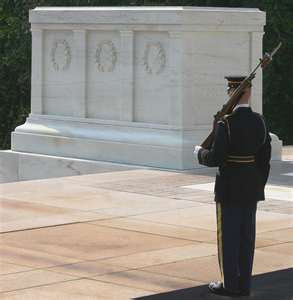
The number 21 being the highest salute, the sentry takes 21 steps, faces the tomb for 21 seconds, turns and pauses 21 seconds, then retraces his steps.
The number 21 is explained on the U.S. Army Center of Military History website (history.army.mil/index.html):
“Warriors … demonstrated their peaceful intentions placing their weapons in a position that rendered them ineffective …
Rendering a salute by cannon originated in the 14th century as firearms and cannons came into use. Since these early devices contained only one projectile, discharging them once rendered them ineffective.
Originally warships fired seven-gun salutes–the number seven probably selected because of its astrological and Biblical significance … The Bible states that God rested on the seventh day after Creation, that every seventh year was sabbatical and that the seven times seventh year ushered in the Jubilee year.
Land batteries, having a greater supply of gunpowder, were able to fire three guns for every shot fired afloat, hence the salute by shore batteries was 21 guns …
Early gunpowder, composed mainly of sodium nitrate, spoiled easily at sea, but could be kept cooler and drier in land magazines. When potassium nitrate improved the quality of gunpowder, ships at sea adopted the salute of 21 guns.
The 21-gun salute became the highest honor a nation rendered …
Great Britain, the world’s preeminent seapower in the 18th and 19th centuries, compelled weaker nations to salute first …
Eventually, by agreement, the international salute was established at 21 guns, although the United States did not agree on this procedure until August 1875.”
On Decoration Day, 1923, President Calvin Coolidge stated:
“There can be no peace with the forces of evil. Peace comes only through the establishment of the supremacy of the forces of good.
That way lies through sacrifice … ‘Greater love hath no man than this, that a man lay down his life for his friends.'”
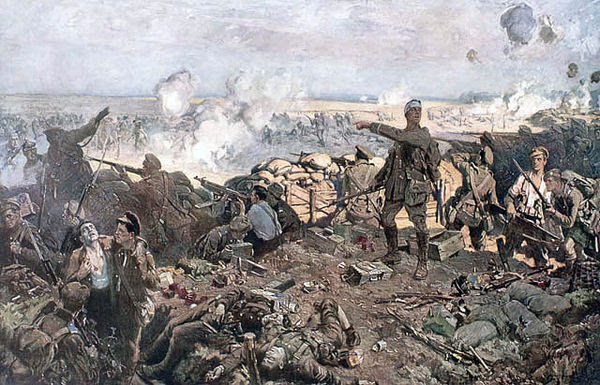
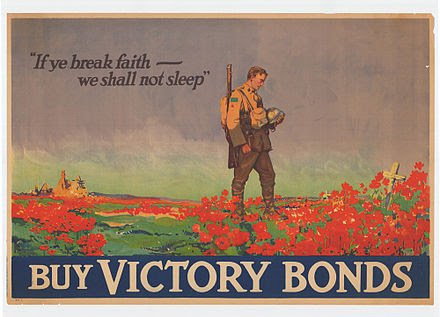
The Memorial Day poem, “In Flanders Fields,” was composed during World War I, by a Canadian Expeditionary gunner and medical officer named John McCrae, who fought in the Second Battle of Ypres near Flanders, Belgium.
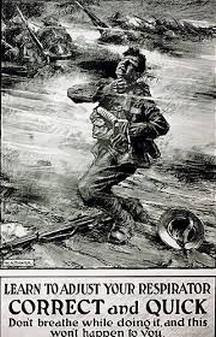
Describing the battle as a “nightmare,” as the enemy carried out one of the first chlorine gas attacks, McCrae wrote:
“For seventeen days and seventeen nights none of us have had our clothes off, nor our boots even, except occasionally. In all that time while I was awake, gunfire and rifle fire never ceased for sixty seconds …
And behind it all was the constant background of the sights of the dead, the wounded, the maimed, and a terrible anxiety lest the line should give way.”
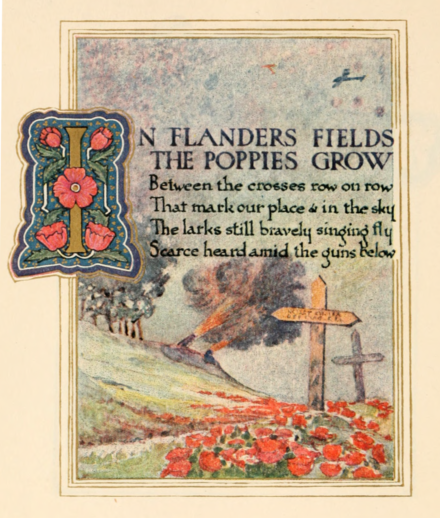
Finding one of his friends killed, McCrae helped bury him along with the other dead in a field.
Noticing the field covered with poppy flowers, he wrote:
“In Flanders fields the poppies blow
Between the crosses, row on row,
That mark our place; and in the sky
The larks, still bravely singing, fly
Scarce heard amid the guns below.
We are the Dead. Short days ago
We lived, felt dawn, saw sunset glow,
Loved and were loved, and now we lie
In Flanders fields.
Take up our quarrel with the foe:
To you from failing hands we throw
The torch; be yours to hold it high.
If ye break faith with us who die
We shall not sleep, though poppies grow
In Flanders fields.”
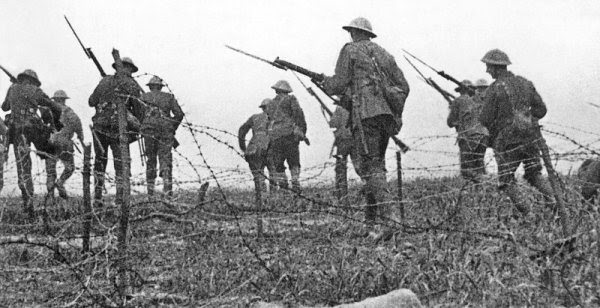
Notable individuals who fought in World War I include:
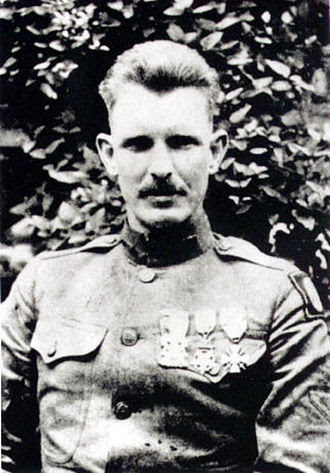
- Sergeant Alvin York, who single-handedly took out 35 machine guns and captured 132;
- John J. Pershing, General of the Armies;
- Douglas MacArthur, Brigadier General;
- George S. Patton, tank commander;
- Leonard Wood, future Army Chief of Staff;
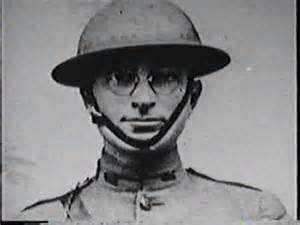
- Harry S Truman, artillery officer and future 33rd President;
- Eddie Rickenbacker, commander of 94th Areo Squadron;
- Quentin Roosevelt, a pilot, son of President Theodore Roosevelt, was shot down and died;
- Charles Whittlesey, commander of the “Lost Battalion” behind lines;
- Frank Luke -“balloon buster”;
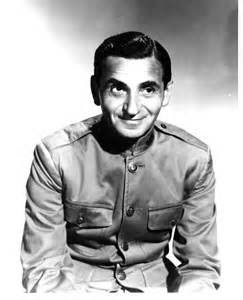
- Irving Berlin, composer of “God Bless America”;
- Edouard Izac, naval office captured on a U-Boat, who escaped;
- Henry Johnson of the “Harlem Hellfighters”;
- Dan Daly, Marine Sergeant charged and captured machine gun nests;
- Ernest Hemingway, author of A Farewell to Arms;
- J.R.R. Tolken, British author of The Lord of the Rings;
- C.S. Lewis, British author of The Chronicles of Narnia.
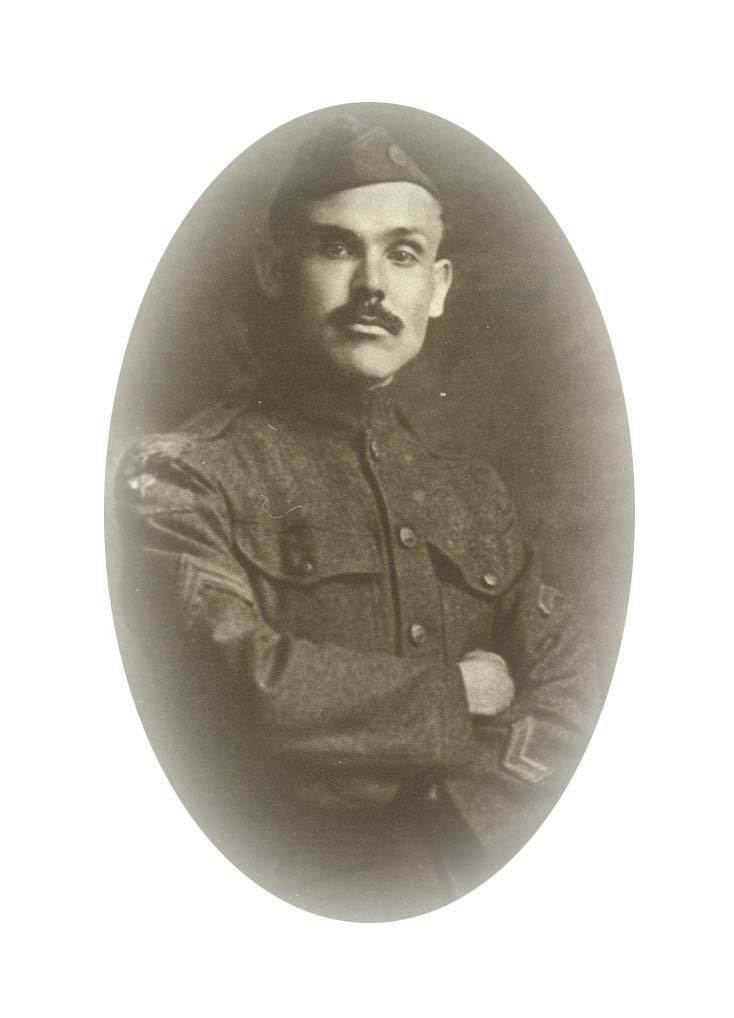
One soldier was Orval William Epperson.
Born on a rugged Ozark farm near Anderson, Missouri, he fought in France, being assigned to the 338th Machine Gun Battalion 88th Division.
Upon returning to America, he married Therese DeBrosse, and had three children: Joan, Orval Wilford, and Tirzah, the mother of the author of this article.
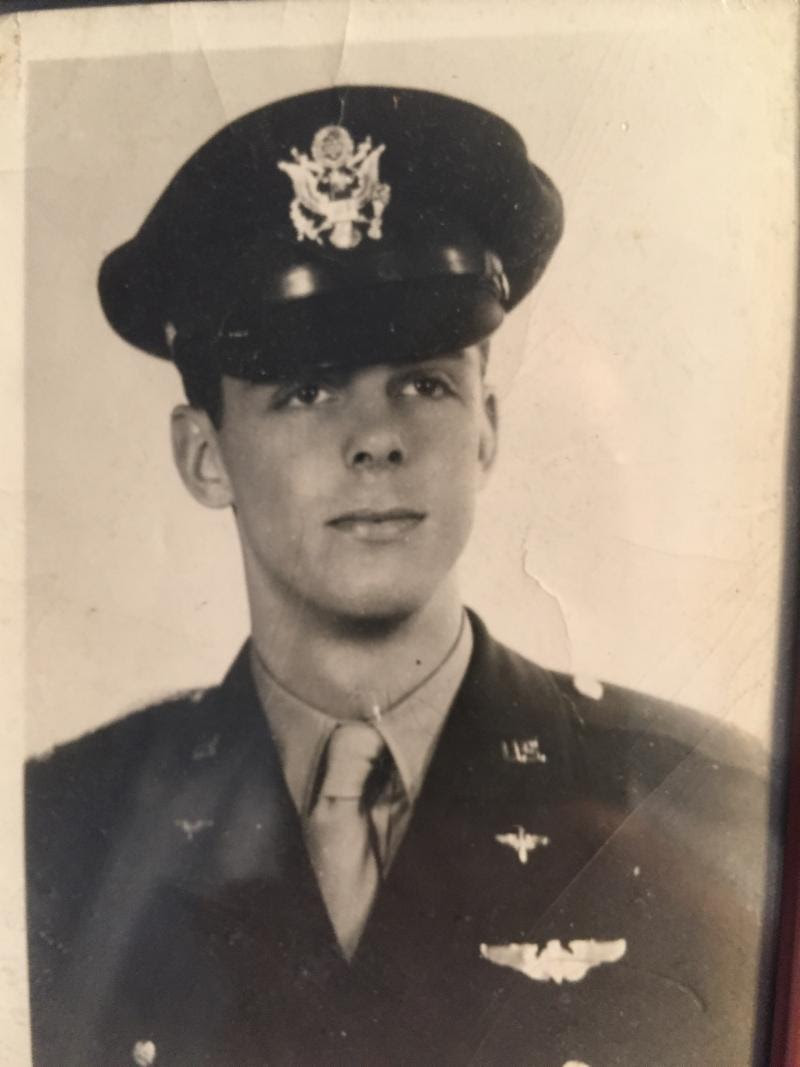
Orval and Therese’s only son was Orval Wilford “Billy” Epperson.
He served in World War II as a bombardier on a B17 Flying Fortress, 525th Squadron, 379 Bomb Group A.P.O. 550 (#0-768946).
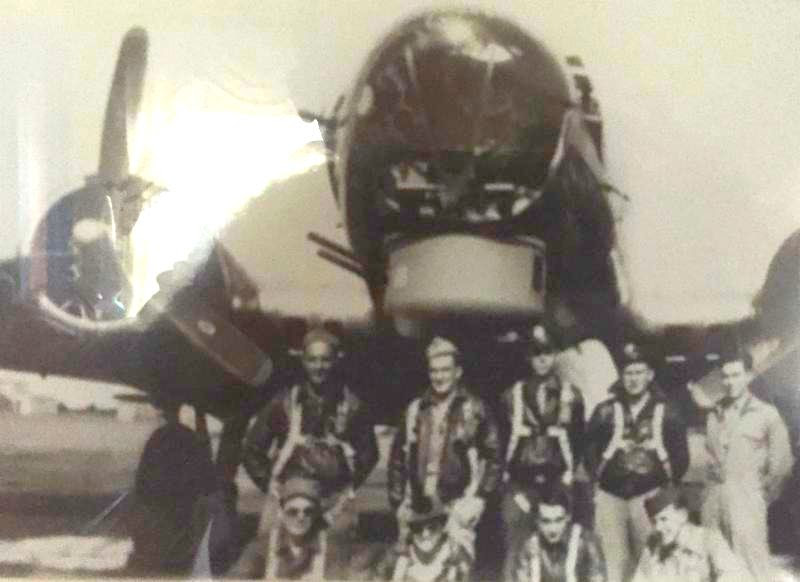
23-year-old “Billy” Epperson flew from Camp Crowder in southwest Missouri to Kimbolton, England.
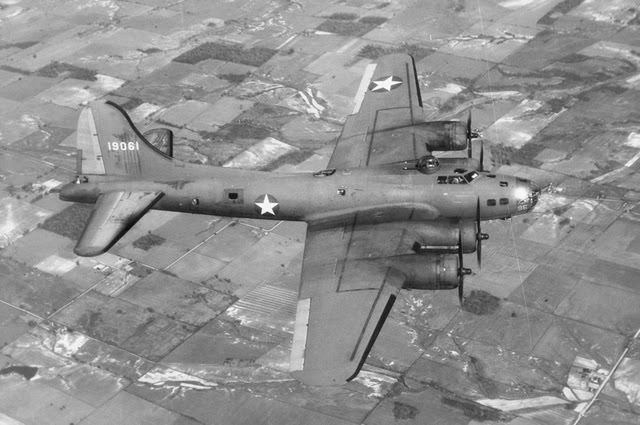
He had written a Mother’s Day note to his mom, tied it with a handkerchief to a small weight and dropped it from the plane as it flew over his hometown of Neosho, Missouri.
A neighbor got it and brought to his mother, who lived at 344 S. Hamilton.

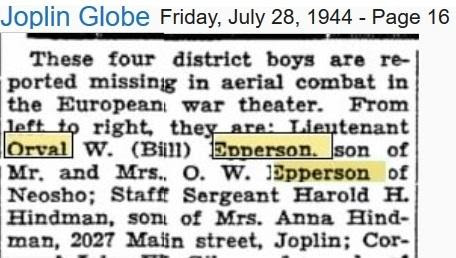
Little did either know that that would be the closest they would be again, as Billy was shot down by the Nazis over the English Channel near Holland on July 9, 1944.
His name is on the monument near Omaha Beach, at the Cimitière Amèrican de Normandie (in Colleville-sur-Mer, France) at the Killed in Action Wall (“Tablet of the Missing”).

On June 6, 1944 President Franklin Roosevelt offered a D-Day Prayer, which is now part of the World War II Memorial in Washington, D.C., thanks to the effort led by Chris Long of the Ohio Christian Alliance, as documented in his book For Their Honor:
“My fellow Americans: … I ask you to join with me in prayer:
Almighty God, Our sons, pride of our Nation, this day have set upon a mighty endeavor, a struggle to preserve our republic, our religion, and our civilization …
Give strength to their arms, stoutness to their hearts, steadfastness in their faith. They will need Thy blessings. Their road will be long and hard. For the enemy is strong. He may hurl back our forces …
We know that by Thy grace, and by the righteousness of our cause, our sons will triumph … Some will never return. Embrace these, Father, and receive them, Thy heroic servants, into Thy kingdom.”

In 1958, President Eisenhower placed soldiers in the tomb from World War II and the Korean War.
In 1968, one hundred years after the first observance, Decoration Day was moved to the last Monday in May.
In 1971, Decoration Day was renamed “Memorial Day.”
In 1984, President Ronald Reagan placed a soldier from the Vietnam War in the tomb.
DNA test later identified him as pilot Michael Blassie, whose A-37B Dragonfly was shot down near An Loc, South Vietnam.
He had graduated from the U.S. Air Force Academy in 1970, and prior to that, graduated from St. Louis University High School in 1966, ten years before the author of this article.
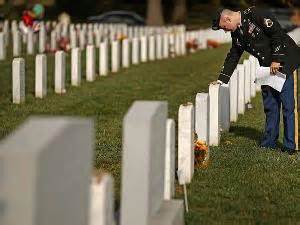
In 1998, Michael Blassie’s remains were reburied at Jefferson Memorial Cemetery, St. Louis, Missouri.
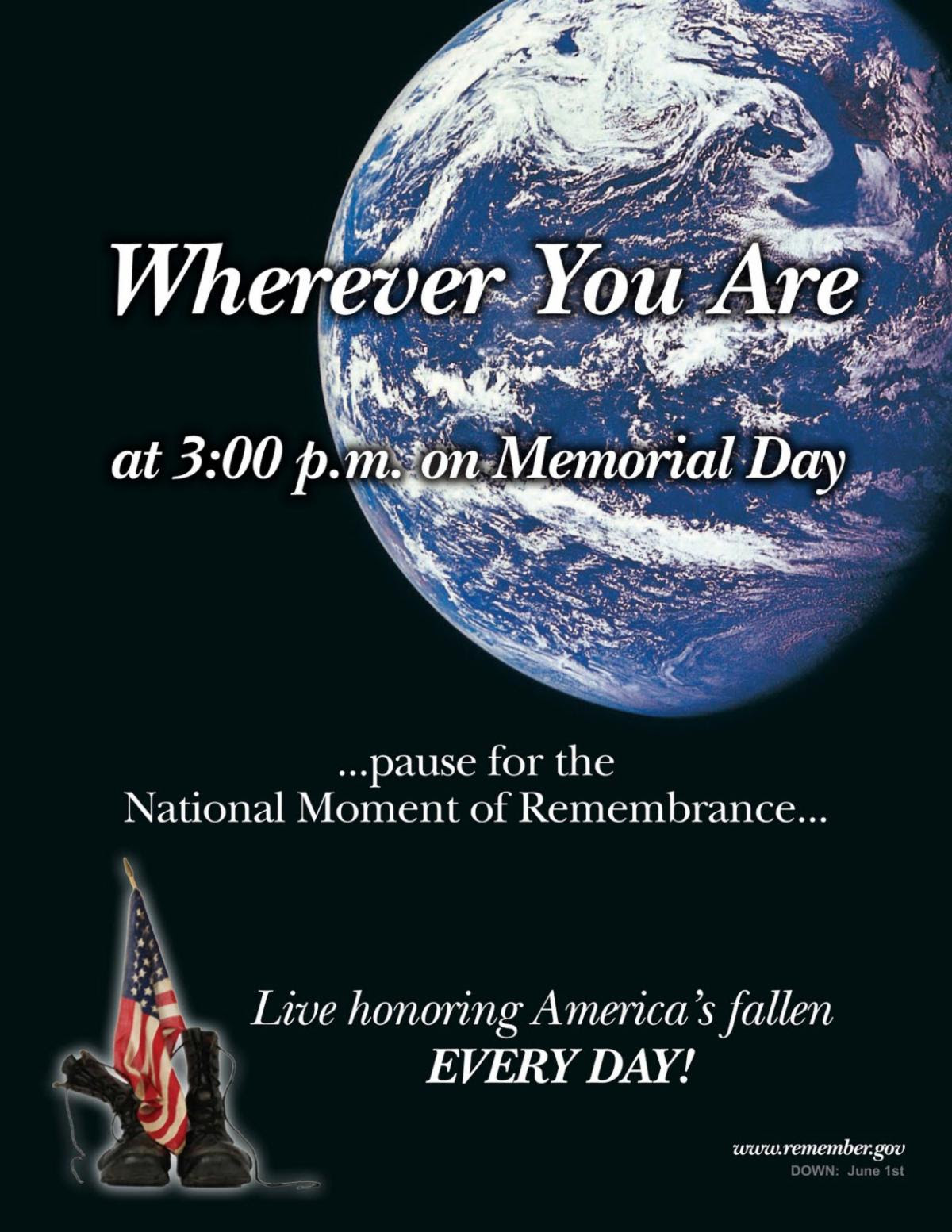
In 2000, Congress passed The National Moment of Remembrance Act (Public Law 106-579), whereby on each Memorial Day, at 3:00pm, citizens should pause for a moment of prayer:
“Congress finds that … it is essential to remember and renew the legacy of Memorial Day … to pay tribute to individuals who have made the ultimate sacrifice in service to the United States …
Greater strides must be made to demonstrate appreciation for those loyal people … whose values, represented by their sacrifices, are critical to the future of the United States …
and to encourage citizens to dedicate themselves to the … principles for which those heroes of the United States died …
A symbolic act of unity … to honor the men and women of the United States who died in the pursuit of freedom and peace … as a day of prayer for permanent peace.”
Memorial Day grew to honor over 1.3 million service men and women who gave their lives defending America’s freedom in every war, including:
- Revolutionary War (1775-1783) 25,000;
- Barbary Wars (1801-1805; 1815) 45;
- War of 1812 (1812-1814) 20,000;
- Mexican-American War (1846-1848) 13,283;
- Civil War (1861-1865) 625,000;
- Spanish-American War (1898) 2,446;
- World War 1 (1917-1918) 116,516;
- World War 2 (1941-1945) 405,399;
- Korean War (1950-1953) 36,516;
- Vietnam War (1955-1975) 58,209;
- Persian Gulf War (1990-1991) 258;
- Operation Enduring Freedom in Afghanistan (2001-2014) 2,356;
- Operation Iraqi Freedom (2003-2012) 4,489; and
- subsequent wars against Islamic terrorism, securing our borders, and in Ukraine.
At the Memorial Day Ceremony, May 31, 1993, President Bill Clinton remarked:
“The inscription on the Tomb of the Unknown Soldier says that he is ‘Known but to God.’
But that is only partly true. While the soldier’s name is known only to God, we know a lot about him.
We know he served his country, honored his community, and died for the cause of freedom. And we know that no higher praise can be assigned to any human being than those simple words …
In the presence of those buried all around us, we ask the support of all Americans in the aid and blessing of God Almighty.”
Charles Michael Province, U.S. Army, wrote the poem:
“It is the Soldier, not the minister
Who has given us freedom of religion.
It is the Soldier, not the reporter
Who has given us freedom of the press.
It is the Soldier, not the poet
Who has given us freedom of speech.
It is the Soldier, not the campus organizer
Who has given us freedom to protest.
It is the Soldier, not the lawyer
Who has given us the right to a fair trial.
It is the Soldier, not the politician
Who has given us the right to vote.
It is the Soldier who salutes the flag,
Who serves beneath the flag,
And whose coffin is draped by the flag,
Who allows the protester to burn the flag.”
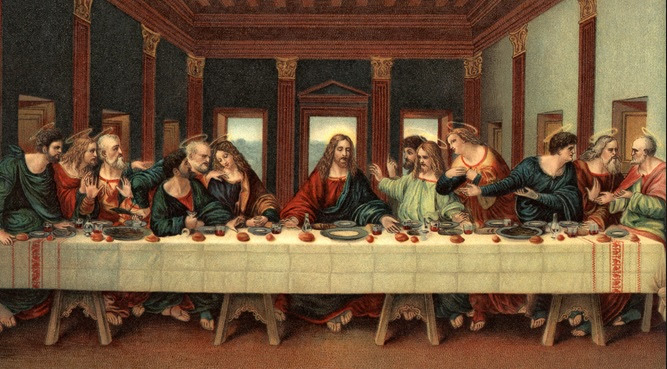
Noah Webster’s 1828 Dictionary stated in its definition of “MEMORIAL”:
“That which preserves the memory of something … A monument is a memorial of a deceased person, or of an event. The Lord’s supper is a memorial of the death and sufferings of Christ.”
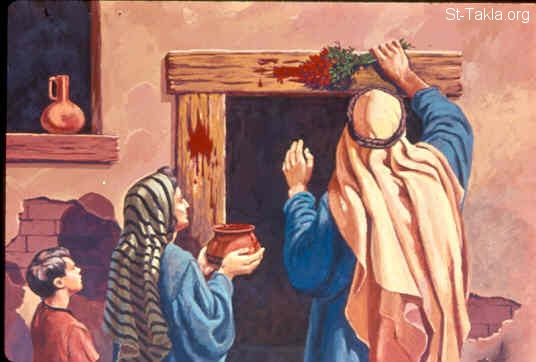
Memorials are important in Scripture. The Lord told Moses in Exodus 12:
“Speak ye unto all the congregation of Israel …
In the tenth day of this month they shall take to them every man a lamb, according to the house … Your lamb shall be without blemish … And ye shall keep it up until the fourteenth day … and the whole assembly of the congregation of Israel shall kill it in the evening.
And they shall take of the blood, and strike it on the two side posts and on the upper door post of the houses … For I will pass through the land of Egypt this night, and … execute judgment … and when I see the blood, I will pass over you, and the plague shall not be upon you to destroy you …
And this day shall be unto you for a MEMORIAL … throughout your generations … an ordinance for ever.”
Memorial is mentioned in Joshua, chapter 4:
“When all the people were clean passed over Jordan … Joshua called the twelve men … out of every tribe …
And Joshua said unto them, Pass over before the ark of the LORD your God into the midst of Jordan, and take ye up every man of you a stone upon his shoulder …
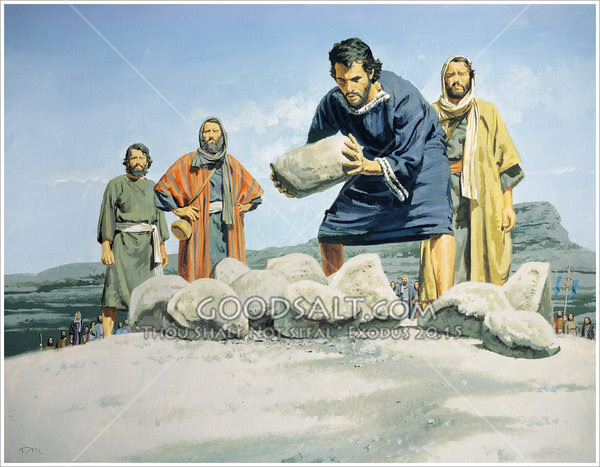
… That this may be a sign among you, that when your children ask their fathers in time to come, saying, What mean ye by these stones?
Then ye shall answer them, That the waters of Jordan were cut off before the ark of the covenant of the LORD; when it passed over Jordan … and these stones shall be for a MEMORIAL unto the children of Israel for ever.”
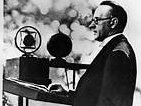
In his Memorial Day Address, May 31, 1923, President Calvin Coolidge said:
“Settlers came here from mixed motives … Generally defined, they were seeking a broader freedom.
They were intent upon establishing a Christian commonwealth in accordance to the principle of self-government …
It has been said that ‘God sifted the nations that He might send choice grain into the wilderness.'”
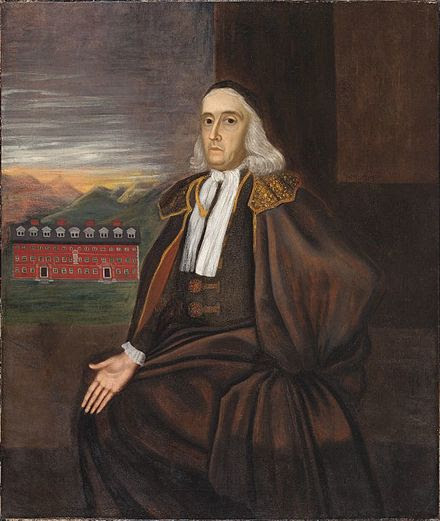
Coolidge was citing an Election Sermon given in Boston, April 29, 1669, by Massachusetts Governor Judge William Stoughton, who described the Puritans fleeing persecution in England to settle in the New World:
“God sifted a whole nation that he might send choice grain over into this wilderness.”
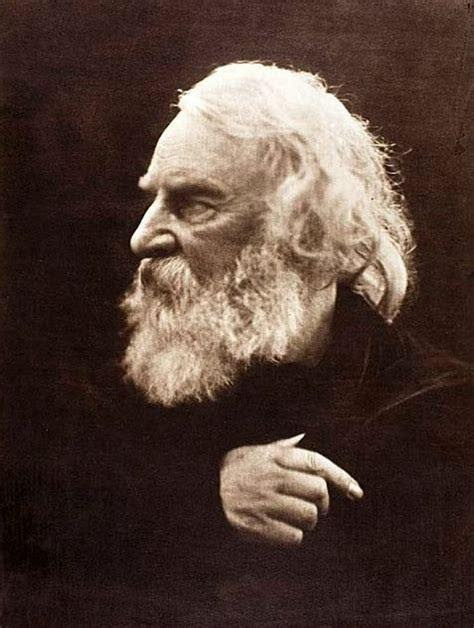
Henry W. Longfellow used a similar line in his classic Courtship of Miles Standish:
“God had sifted three kingdoms to find the wheat for this planting.”
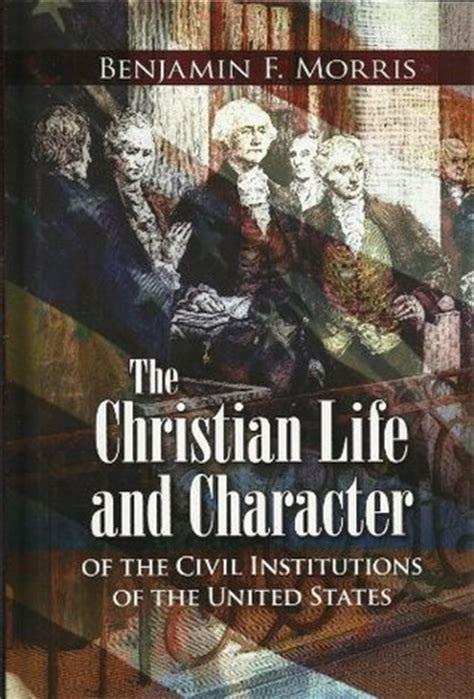
This was explained further in Benjamin Franklin Morris’ classic The Christian Life and Character of The Civil Institutions of The United States (1864):
“The persecutions of the Puritans in England for non-conformity, and the religious agitations and conflicts in Germany by Luther, in Geneva by Calvin, and in Scotland by Knox, were the preparatory ordeals for qualifying Christian men for the work of establishing the civil institutions on the American continent.
‘God sifted’ in these conflicts ‘a whole nation that He might send choice grain over into the wilderness’; and the blood and persecution of martyrs became the seed of both the church and the state …
It was in these schools of fiery trial that the founders of the American republic were educated and prepared for their grand Christian mission …
They were trained in stormy times, in order to prepare them to … establish the fundamental principles of civil and religious liberty and of just systems of civil government.”
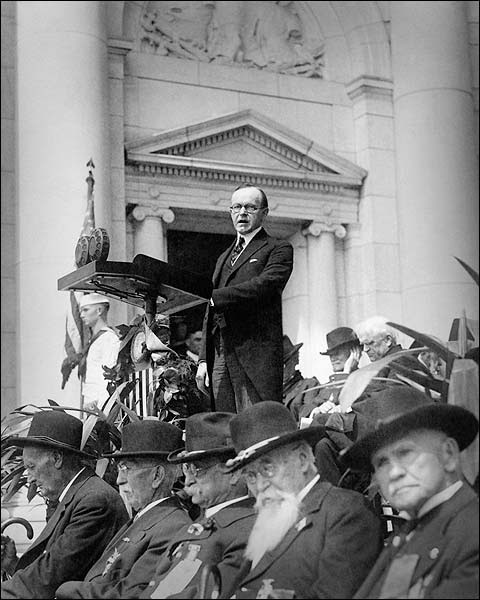
Concluding in his Memorial Day Address that America’s republic is worth preserving, President Calvin Coolidge stated May 31, 1923:
“They had a genius for organized society on the foundations of piety, righteousness, liberty, and obedience of the law …
Who can fail to see in it the hand of destiny? Who can doubt that it has been guided by a Divine Providence?”
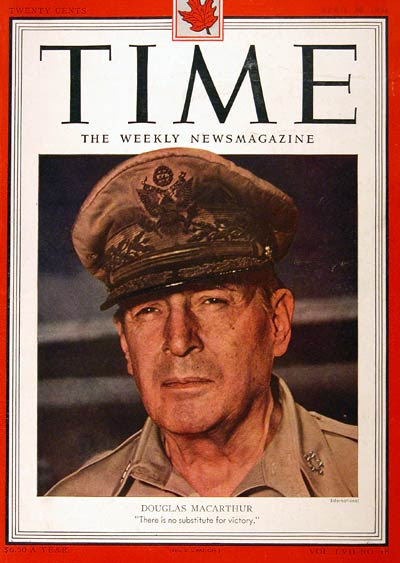
Douglas MacArthur told West Point cadets, May 1962:
“The soldier, above all other men, is required to practice the greatest act of religious training-sacrifice.
In battle and in the face of danger and death, he discloses those Divine attributes which his Maker gave when He created man in His own image …
No physical courage and no brute instinct can take the place of Divine help which alone can sustain him.
However horrible the incidents of war may be, the soldier who is called upon to offer and to give his life for his country is the noblest development of mankind.”
—
American Minute is a registered trademark of William J. Federer. Permission granted to forward, reprint, or duplicate.
—
Image Credits: Public Domain; Description: A soldier assigned to the Army’s 3rd U.S. Infantry Regiment, “The Old Guard,” guards the Tomb of the Unknowns after the U.S. Army’s senior leadership laid a wreath in tribute to the Army’s 233rd birthday at Arlington National Cemetery, Virginia; Date: June 14, 2008; Source: U.S. Department of Defense photo essay; Author: D. Myles Cullen ; This image was released by the United States Army with the ID 080614-A-0193C-015; This image is a work of a U.S. military or Department of Defense employee, taken or made as part of that person’s official duties. As a work of the U.S. federal government, the image is in the public domain in the United States; https://commons.wikimedia.org/wiki/File:Defense.gov_photo_essay_080614-A-0193C-015.jpg